

A hard drive failure can feel really frustrating if you’ve lost something valuable, such as family photos, important work documents, or a school-related project. When this happens, it’s natural to panic, but most people also feel the urge to fix the problem on their own. Because of this, they often try recovery software, connect the drive to different computers, or make repeated attempts to access the files. Though these actions seem helpful at first, they can sometimes make the situation worse, thus reducing the chances of a successful recovery.
Even though it makes sense to want to keep trying to recover data, the truth is that repeated recovery attempts can actually reduce your chances of a successful hard drive recovery.
Hard Drives Are Fragile Machines
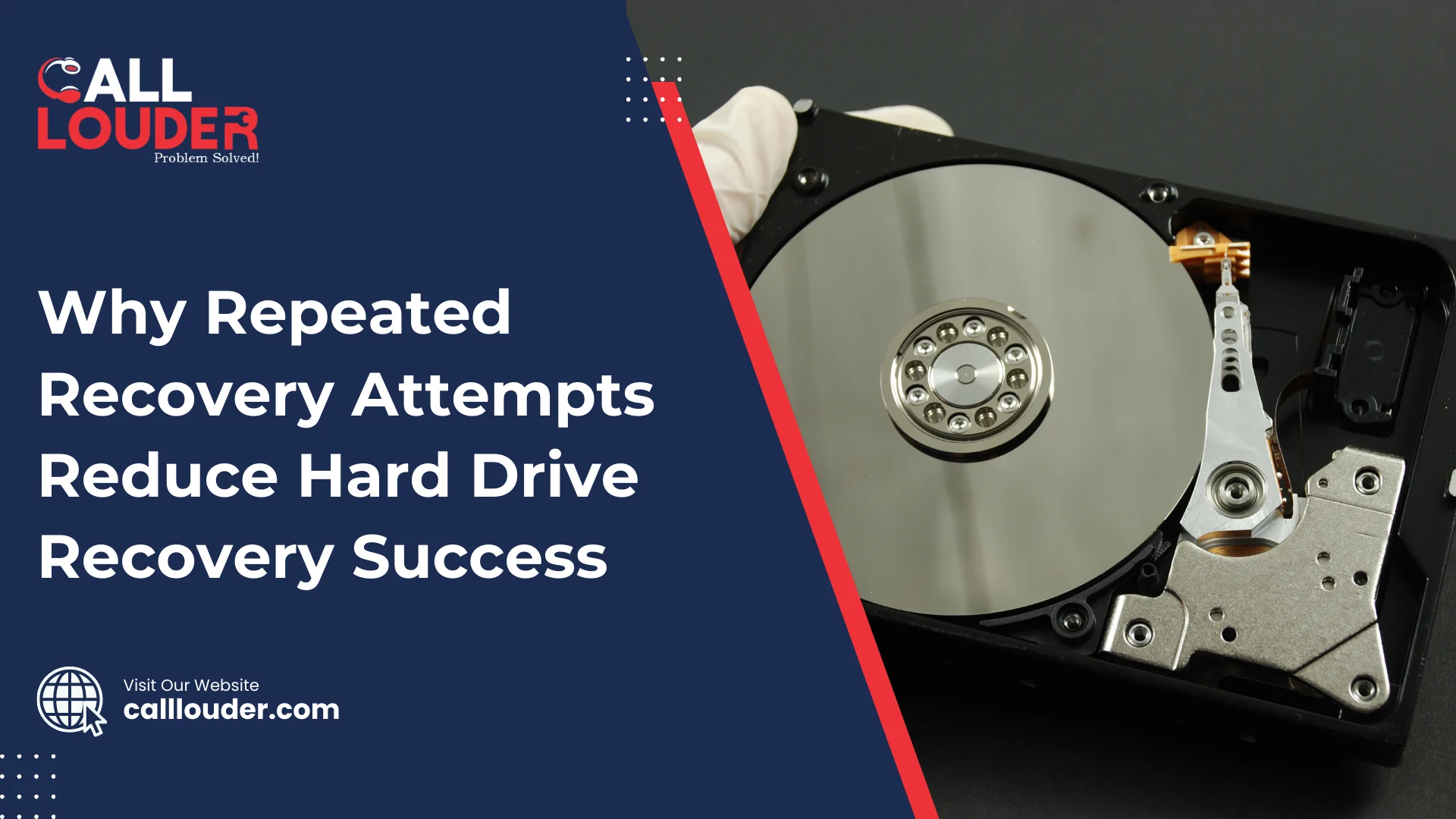
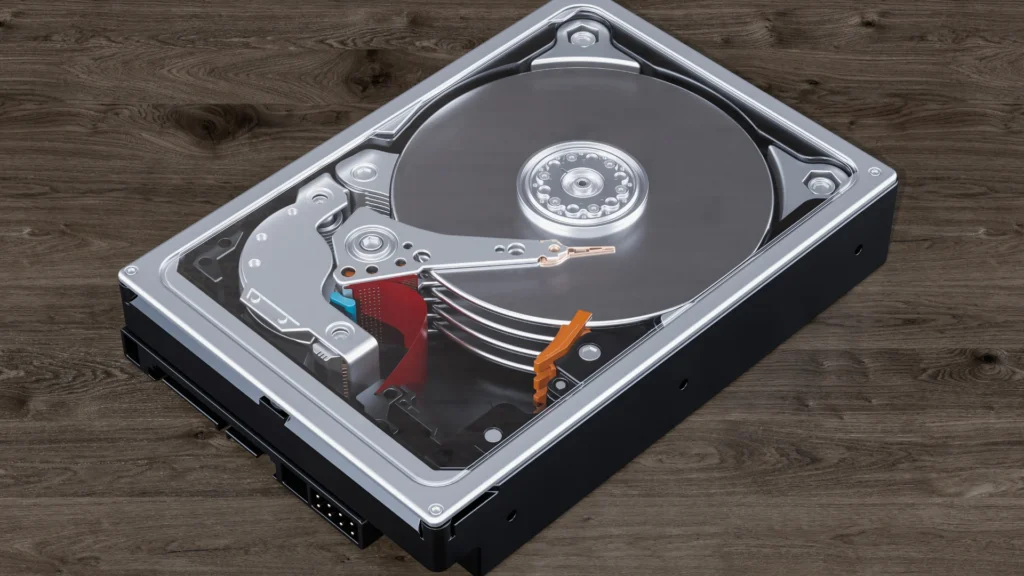
A hard drive is not just a storage box; it’s a complex mechanical device. Inside, there are spinning platters, read/write heads, and sensitive electronics. When a drive starts failing, these parts become delicate. Each time you power it on or try to recover files, you put extra stress on these components.
Repeated attempts mean repeated stress. Even small movements or vibrations can worsen the damage. Each time you power it, you increase the risk that the read/write heads might scratch the platters, or the electronics may fail completely. If either of these things happens, files that could have been recovered may be lost forever.
Data Overwriting Is a Hidden Danger
Many people don’t realize that recovery tools can accidentally overwrite data. Some recovery programs create temporary files or try to reconstruct the file system. Although they are designed to help, they can sometimes write on parts of the drive where lost files are stored.
Even if you are careful, running multiple recovery attempts increases the risk of overwriting. Once overwritten, your files are gone for good. Because of this, professional hard drive recovery services always try to make a clone or image of the drive first, so the original data remains untouched.
Repeated DIY attempts make this cloning harder or sometimes impossible, thereby reducing recovery success.
Heat and Wear Add Up
Every time you power on a failing hard drive, it generates heat. Heat alone can cause damage to the delicate components inside. Each spin of the platters and movement of the read/write heads creates tiny vibrations. These vibrations would normally be negligible in a healthy drive but could adversely affect a failing drive.
Repeated attempts increase wear on the drive, sometimes irreversibly. So even if the drive worked a little in the first attempt, by the third or fourth try, it may not spin up at all. Hence, repeated attempts can turn a recoverable drive into one that professionals cannot save.
Why DIY Tools Aren’t Always Enough
There are plenty of recovery tools available online, and many are free. Although they seem convenient, they have limits. Most consumer tools cannot handle severe physical failures or complex file system damage.
Each failed attempt by a DIY tool can reduce the chance that a professional can recover your data later. Professionals have special tools, clean rooms, and techniques that can handle sensitive drives without making the problem worse. This is why stopping further attempts is so important once your first DIY try fails.
The Importance of Acting Fast but Carefully
It’s important to keep in mind that time is important. A hard drive that is failing can deteriorate quickly, so while repeated recovery attempts are harmful, ignoring the drive completely can also make things even worse.
The best yet simple approach is to stop using the drive immediately. Don’t plug it into multiple computers, don’t run multiple recovery tools, and don’t try to copy files endlessly. Each of these actions can make recovery harder.
Instead of trying to recover data from your hard drive yourself, you should reach out to a Data Recovery professional immediately. Professionals are better able to determine whether the drive has physical damage, whether data is recoverable as well as how to proceed safely.
Signs You Should Stop and Seek Professional Help
Here are some signs that repeated attempts could do more harm than good:
- The drive is making unusual noises like clicking and/or grinding.
- Your recovery software keeps freezing or failing.
- Files seem to partially recover but then they disappear.
- If the drive isn’t spinning up properly.
If you notice any of these signs, it’s best to pause and call in an expert.
Key Takeaways
- Hard drives are fragile, and due to this reason, repeated attempts stress them further.
- DIY recovery can overwrite files which makes them unrecoverable.
- With each additional attempt, heat, vibration, and wear add up.
- Stop using the drive immediately if your first attempt fails.
- Contact a professional hard drive recovery service for the best chance at success.
Final Thoughts
Recovering lost data can be very stressful at times and repeating recovery attempts often does more harm than good. If your hard drive is not functioning properly, you should immediately stop using the drive and call a data recovery professional to save your files and reduce long-term damage.
The goal is not just to recover the files, but also to do so safely. Therefore, avoiding repeated attempts is one of the simplest and most important steps in hard drive recovery.
FAQs
Yes, small issues can be fixed with software; however, repeated attempts to recover data on your own can make recovery harder.
Experts use special tools, controlled environments, and cloning to protect the original drive without damaging the data.
You should stop using it immediately and contact a professional hard drive recovery service for the best chance of success.
It depends on the damage and data size, but professionals usually need a few hours to a few days to safely recover files.